


📋 Content Verification
Written by: OPTIMOVE TEAM
Clinical Review: Dr Muhammad Tuseef
Specialisation: Advanced clinical practice
Published: March 2026
Last Reviewed: March 2026
Next Review: August 2026
This comprehensive guide explores evidence-based sciatica treatment options from conservative care to surgical interventions.
Introduction
Sciatica can be painful, disruptive, and frustrating—especially when symptoms persist or interfere with daily life. Fortunately, there are many effective sciatica treatment options available, and most people do not require surgery to recover. Understanding how to treat sciatica begins with recognising that sciatica is a symptom pattern rather than a single diagnosis, meaning treatment should be tailored to the underlying cause.
Some individuals improve quickly with simple activity modifications, while others benefit from structured rehabilitation or short-term medical support.
💡 Clinical Insight: The challenge is not a lack of options, but knowing which approach is appropriate, when to progress treatment, and how to avoid unnecessary or ineffective interventions.
This guide outlines the full spectrum of sciatica treatment options—from conservative care to medical and surgical interventions—explaining how each works, when it is appropriate, and what outcomes to expect.
Important: A personalised, step-by-step approach leads to the best long-term sciatica relief for most people.
Conservative Treatment Options
Conservative treatment is the first-line approach for most cases of sciatica. Research consistently shows that the majority of people improve without invasive procedures when care is matched to the cause of symptoms.
Physiotherapy

Physiotherapy plays a central role in treating sciatica and focuses on reducing nerve irritation, restoring movement tolerance, and improving long-term resilience rather than masking symptoms.
Manual Therapy
Hands-on techniques may be used to improve joint mobility, reduce protective muscle tension, and modulate pain. Manual therapy is not intended to “fix” discs or nerves directly, but to create a more favourable environment for movement and recovery.
Exercise Prescription
Exercises are selected based on the underlying mechanism of sciatica. For disc-related pain, this may involve directional movement strategies. For spinal stenosis, flexion-biased loading and walking tolerance strategies are often prioritised. For non-spinal causes, hip and pelvic load management may take precedence.
Movement Education
Understanding how posture, lifting technique, sitting tolerance, and daily habits affect nerve sensitivity is a key part of long-term recovery. Education helps patients regain confidence and avoid unnecessary fear-based movement avoidance.
Expected Timeline
Improvement often begins within 4–6 weeks, although full recovery may take longer depending on severity, duration of symptoms, and individual factors. Temporary symptom fluctuations are common and do not necessarily indicate harm.
Success Rates
Most studies show favourable outcomes with physiotherapy-led conservative care, particularly when patients remain active and engaged in rehabilitation. Early improvement is a positive prognostic indicator, but slower progress does not automatically mean poor outcomes.
Exercise and Stretching
Exercise is one of the most effective ways to treat sciatica, but only when it is applied appropriately.
💡 Clinical Insight: There is no universal exercise program for sciatica. Exercises must match the source of symptoms—what helps one person may aggravate another. This is why assessment-driven programming is critical.
Strengthening vs Stretching
Stretching is often overused. While some individuals benefit from gentle mobility work, others experience symptom worsening due to neural sensitivity. Strengthening, endurance, and load tolerance exercises are often more important for long-term recovery.
Home Exercise Programs
Simple, consistent home programs outperform complex routines performed inconsistently. Exercises should be progressed gradually and adjusted as symptoms evolve.
Importance of Consistency
Small, regular doses of appropriate exercise are more effective than sporadic, intense sessions. Consistency supports nerve desensitisation and tissue adaptation.
Pain Management
Pain relief can play a supportive role in sciatica treatment, particularly during acute or severe symptom phases.
Over-the-Counter Medications
Paracetamol and non-steroidal anti-inflammatory drugs (NSAIDs) may reduce pain for some individuals, although responses vary.
Prescription Options
In certain cases, short-term prescription medications targeting nerve pain may be considered. These are typically used as adjuncts rather than standalone treatments.
Anti-Inflammatories
Inflammation contributes to nerve sensitivity, but inflammation is not always the primary driver of pain. Medication should be viewed as symptom control, not a cure.
Important: Reducing pain does not automatically resolve the underlying cause. Pain management is most effective when combined with active rehabilitation.
Activity Modification
Temporary changes to daily activities often play a key role in early symptom management.
Temporary Adjustments
Reducing aggravating activities such as prolonged sitting, heavy lifting, or repeated bending can help calm symptoms without promoting inactivity.
Ergonomics
Workstation setup, seating height, lumbar support, and screen positioning can influence symptom behaviour, particularly for desk-based workers.
Sleep Positioning
Side-lying with appropriate support or modified supine positions may reduce night pain and morning stiffness.
Returning to Activities
Gradual reintroduction of activities is essential. Prolonged avoidance often leads to deconditioning and delayed recovery.
Heat and Ice
Heat and ice are commonly used but often misunderstood tools for symptom relief rather than tissue repair.
When to Use Each
Ice may help during acute flare-ups with inflammatory features (e.g. sharp pain, sensitivity to movement, or post-activity symptom spikes), while heat can reduce superficial muscle tension and improve comfort in more chronic presentations.
Application Methods
Short applications (10–20 minutes) are sufficient. Skin protection is essential. Use should be guided by symptom response.
💡 Clinical Insight: Heat and ice do not treat the cause of sciatica and should be viewed as temporary symptom modifiers rather than primary treatments or drivers of recovery.
Alternative Therapies
Some individuals explore alternative therapies as part of sciatica management.
Acupuncture
May provide short-term pain relief for some people, though effects are often modest and variable.
Massage
Can reduce muscle tension and improve comfort, particularly when muscle guarding contributes to symptoms.
Chiropractic Care
Spinal manipulation may help selected patients, though it should be used cautiously and within a broader management plan.
Evidence Levels
Overall evidence is mixed. These approaches are best used as adjuncts rather than replacements for active care.
Medical Interventions for Sciatica
When conservative treatments like physical therapy, medications, and lifestyle changes fail to provide sufficient relief from sciatica symptoms, medical interventions such as injections may be recommended.
These procedures aim to reduce inflammation, alleviate pain, and improve mobility, often serving as a bridge to further recovery or surgery if needed.
Important: Always consult a healthcare professional to determine if these options are appropriate for your condition.
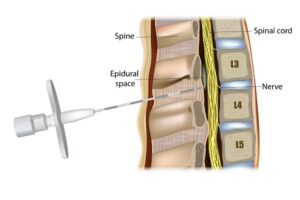
Epidural Steroid Injections for Sciatica
What They Are
Epidural steroid injections (ESIs) involve delivering corticosteroids directly into the epidural space around the irritated sciatic nerve roots to decrease inflammation and swelling. This targeted approach can help ease the pressure on the nerves causing sciatica pain, numbness, or weakness in the legs.
When Considered
ESIs are typically considered for severe, persistent sciatica pain that limits daily activities or hinders progress in physical therapy. They may be an option after 4-6 weeks of conservative care, especially for conditions like herniated discs or spinal stenosis causing nerve compression.
Success Rates
Many patients experience significant short-term relief (within 3 months) and medium-term benefits (up to 6 months), with studies showing pain reduction in 50-80% of cases. However, long-term outcomes are often similar to those achieved with conservative treatments alone, and repeat injections may be needed for ongoing relief.
⚠️ Risks: While generally safe when performed by experienced providers, potential risks include infection, bleeding, temporary worsening of symptoms, or allergic reactions. Rare but serious complications, such as nerve damage, spinal cord injury, stroke, or paralysis, have been reported, particularly with certain techniques or contaminated medications. Discuss your medical history, including any bleeding disorders or allergies, with your doctor to minimise these risks.
Other Injections for Sciatica Relief
Nerve Blocks
Nerve blocks can be used diagnostically to pinpoint the exact source of sciatica pain or therapeutically to provide temporary relief by numbing the affected nerve. They involve injecting a local anaesthetic near the nerve root, often under imaging guidance, and are particularly useful for radicular pain from conditions like herniated discs or spinal stenosis.
Trigger Point Injections
If muscle spasms or knots (trigger points) in the lower back, buttocks, or legs are contributing to your sciatica, trigger point injections may help. These involve injecting a local anaesthetic, sometimes with a corticosteroid or botulinum toxin, directly into the tight muscle bands to relax them and reduce referred pain. This option is often combined with physical therapy for better results and can provide relief for myofascial pain syndrome associated with sciatica.
Important: These injections are minimally invasive outpatient procedures, but their effectiveness varies by individual. They may offer temporary relief, allowing you to engage more fully in rehabilitation.
Surgical Options for Sciatica
Surgery for sciatica is typically reserved for a small percentage of cases (about 10-20%) where non-surgical treatments have not worked after 6-12 weeks, or when there’s evidence of severe nerve damage. It’s not a first-line option but can provide rapid symptom relief in appropriate candidates.
💡 Clinical Insight: Decisions should be based on imaging, symptoms, and overall health.
When Surgery Is Considered for Sciatica
- Failure of conservative treatments, including medications, physical therapy, and injections, over an adequate trial period
- Progressive neurological symptoms, such as increasing weakness, numbness, or loss of bowel/bladder control
- Emergency signs of cauda equina syndrome, including severe lower back pain, saddle anaesthesia (numbness in the groin area), and sudden incontinence—this requires immediate medical attention
Types of Sciatica Surgery
Microdiscectomy
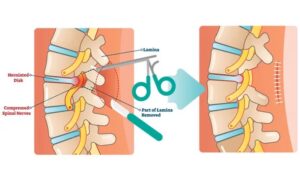
This minimally invasive procedure removes the portion of a herniated disc pressing on the sciatic nerve root. It’s the most common surgery for sciatica caused by a disc herniation and is performed through a small incision with the aid of a microscope or endoscope.
Laminectomy
In cases of spinal stenosis contributing to sciatica, a laminectomy removes part of the vertebra (lamina) to widen the spinal canal and relieve nerve pressure. It may be combined with other procedures if needed.
Spinal Fusion
Reserved for sciatica involving spinal instability (e.g., spondylolisthesis), this surgery fuses two or more vertebrae using bone grafts, screws, or rods to stabilise the spine. It’s less common for isolated sciatica, but it may be necessary if other issues are present.
Success Rates and Recovery for Sciatica Surgery
Sciatica surgeries often deliver faster leg pain relief compared to conservative care, with overall success rates ranging from 70-90% for procedures like microdiscectomy and laminectomy, where patients report significant improvement in pain and function.
Spinal fusion has a 70-90% success rate for long-term stability but may not outperform non-surgical options over time. Long-term outcomes are similar to conservative management for many, and not all patients achieve complete resolution—factors like symptom duration and overall health play a role.
Recovery Timeline
- Most patients walk the day after minimally invasive surgery
- Full recovery in 2-6 weeks for microdiscectomy or laminectomy
- 3-6 months for spinal fusion
Important: Post-surgical rehabilitation, including physical therapy, is crucial to strengthening the back, preventing recurrence, and optimising outcomes. Risks include infection, nerve injury, or failed back surgery syndrome, so a thorough preoperative evaluation is essential.
Comparing Treatment Options
Key Considerations
- Effectiveness: Most conservative approaches are highly effective for appropriately selected patients
- Timeline: Conservative care may take longer, but it avoids surgical risks
- Cost Considerations: Physiotherapy and exercise-based care are generally more cost-effective
- Risk vs Benefit: Higher-risk interventions should be reserved for clear indications
Creating Your Treatment Plan
Effective sciatica treatment usually begins conservatively.
Recommended Approach
- Start with education, activity modification, and targeted rehabilitation
- Progressive treatment if symptoms fail to improve
- Combine approaches when appropriate
- Seek professional guidance to avoid unnecessary escalation
💡 Clinical Insight: At OptiMove Clinic in London, we specialise in personalised physiotherapy and movement rehabilitation for sciatica and other musculoskeletal conditions, helping patients achieve lasting recovery through evidence-based care.
What to Expect from Treatment
Realistic Timelines
Improvement is gradual. Setbacks are common and usually temporary.
Improvement Markers
Reduced pain intensity, increased activity tolerance, and improved confidence are positive signs.
Long-Term Outlook
Most people achieve meaningful relief with the right approach.
Conclusion
There is no single best way to treat sciatica, but most people improve with conservative care when treatment is tailored to the cause of symptoms. Understanding available sciatica treatment options helps patients make informed decisions and avoid unnecessary interventions.
A personalised, stepwise approach offers the best chance for lasting recovery and long-term resilience.
📌 Key Takeaways
- Most sciatica cases improve with conservative treatment when matched to the underlying cause
- Physiotherapy, targeted exercises, and activity modification form the foundation of care
- Medical interventions like injections can provide temporary relief for severe cases
- Surgery is reserved for 10-20% of cases with specific indications
- A personalised, step-by-step approach leads to the best long-term outcomes
Disclaimer
This article is for informational purposes only and is not a substitute for professional medical advice. Consult a qualified healthcare provider for personalised guidance on sciatica treatment.