


📋 Content Verification
Written by: OPTIMOVE TEAM
Clinical Review: Dr Muhammad Tuseef
Specialisation: Advanced clinical practice
Published: April 2026
Last Reviewed: April 2026
Next Review: October 2026
This guide explores the most common causes of lower back pain, with expert insight from our physiotherapists on diagnosis, recovery, and when to seek help.
Lower back pain is one of the most common reasons people seek physiotherapy, affecting up to 80% of adults at some point in their lives. The reassuring news is that in the vast majority of cases, it is not serious and responds very well to the right treatment. Understanding what’s causing your pain is the first step toward recovery — and if you’re already exploring options for lower back pain treatment in London, you’re on the right track.
The Most Common Causes of Lower Back Pain
Lower back pain rarely has a single, dramatic cause. More often, it develops due to a combination of physical stress, lifestyle habits, and movement patterns. Below are the most common reasons we see in clinic.
Muscle Strain and Ligament Sprains

This is by far the most frequent cause of lower back pain.
It typically happens when:
- You lift something heavy incorrectly
- You twist suddenly or awkwardly
- You overuse muscles during activity
How it feels:
A dull ache or sharp pain, often worse with movement. You may feel stiffness or difficulty standing upright.
Why it happens:
Muscles and ligaments support your spine. When overloaded or stretched beyond their limits, tiny tears occur — leading to pain and inflammation. This type of pain usually improves quickly with the right care.
Poor Posture and a Sedentary Lifestyle
Modern lifestyles are one of the biggest contributors to persistent back pain.

Common culprits:
- Long hours sitting at a desk
- Slouching or leaning forward
- Lack of movement throughout the day
What happens over time:
- Core muscles weaken
- Hip flexors tighten
- The lower spine absorbs more strain
This creates a gradual overload on the lumbar spine — often leading to ongoing discomfort rather than sudden pain.
Disc Problems (Bulging or Herniated Disc)
Between each vertebra in your spine sits a disc, which acts like a shock absorber.
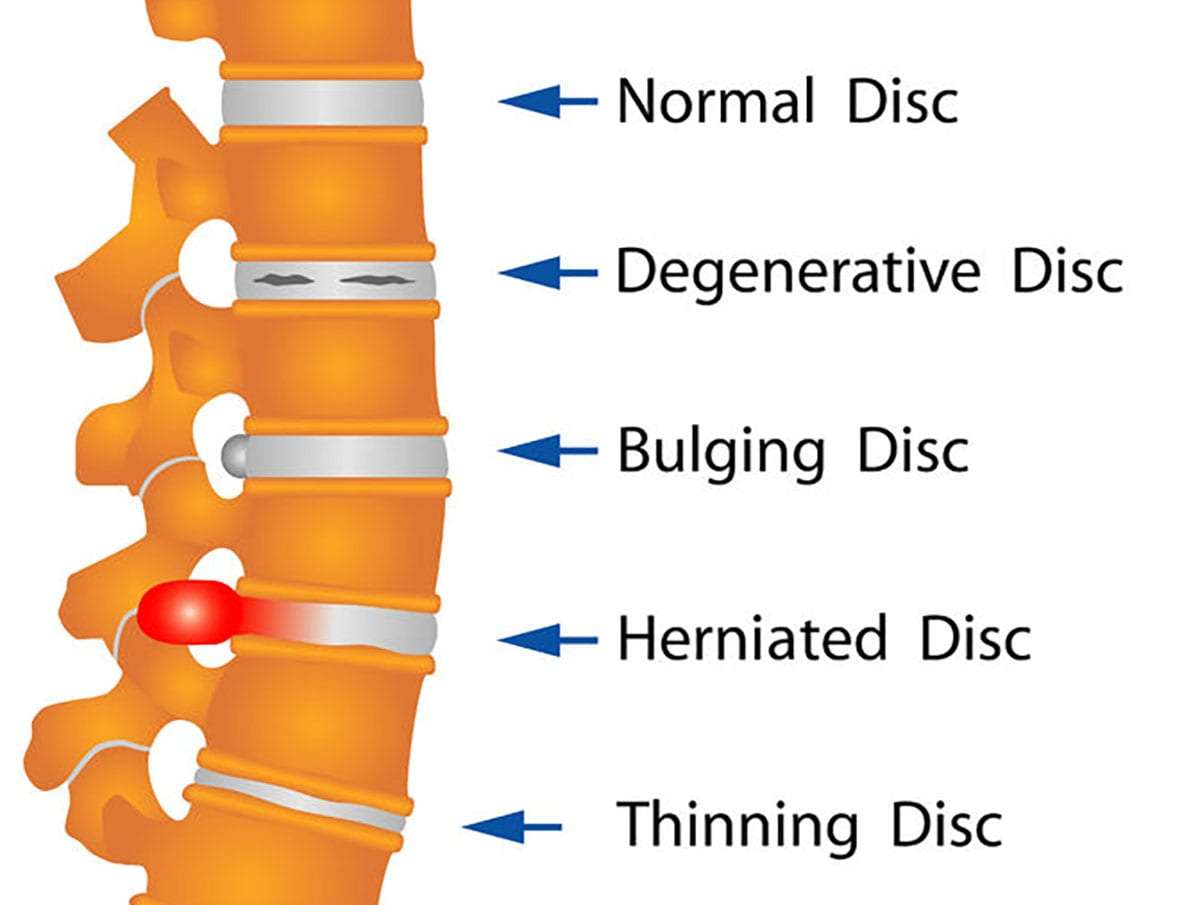
Think of it like a jelly-filled cushion:
- The outer layer is tough
- The inner part is softer
What can go wrong:
- A bulging disc: the disc pushes outward
- A herniated disc: the inner material leaks out
Symptoms may include:
- Pain in the lower back
- Pain radiating into the leg
- Tingling or numbness
This is closely linked to sciatica — a condition where the sciatic nerve becomes irritated. If you’re experiencing these symptoms, you may benefit from targeted sciatica treatment.
Facet Joint Dysfunction
Facet joints are small joints at the back of your spine that guide and control movement.

Facet joint dysfunction refers to a problem with how these joints move.
This can happen when a joint becomes:
- Stiff or restricted (not moving enough)
- Irritated from excessive movement (moving too much or under poor control)
How it typically feels:
- Localised pain on one side of the lower back
- Pain when arching backward or twisting
- Stiffness after inactivity, especially when first moving
💡 Clinical Insight: This type of pain is often described as mechanical, meaning it changes depending on your position and movement. Unlike arthritis, facet joint dysfunction doesn’t always involve long-term wear and tear — and it usually responds very well to targeted physiotherapy.
Sacroiliac Joint Dysfunction
The sacroiliac (SI) joints connect your spine to your pelvis. This area is often overlooked and misdiagnosed.

Typical symptoms:
- Pain on one side of the lower back
- Discomfort around the buttock
- Pain when standing on one leg or climbing stairs
Accurate diagnosis is key here, as SI joint pain can mimic other conditions.
Osteoarthritis of the Spine
This is an age-related condition where the joints in the spine gradually wear down.

Important: This is not a “life sentence.” While changes in the spine are common as we age, pain is manageable and often improves with strengthening exercises, movement-based therapy, and lifestyle adjustments. Many people with spinal arthritis live active, pain-free lives.
Lifestyle Factors That Increase Risk
Certain habits can make back pain more likely or slow recovery:
- Excess body weight (increased spinal load)
- Smoking (reduced blood supply to tissues)
- Chronic stress (increased muscle tension)
- Weak core muscles
These factors don’t cause pain on their own — but they create the conditions for it to develop.
Red Flag Symptoms: When to Seek Urgent Help
While most lower back pain is not serious, certain symptoms require immediate medical attention.
⚠️ Seek urgent help if you experience:
- Numbness or tingling in the groin or legs
- Loss of bladder or bowel control
- Pain following a significant fall or accident
- Severe night pain that doesn’t ease in any position
- Unexplained weight loss
If any of these apply, see a doctor immediately. For further guidance, refer to the NHS guidelines on back pain.
How Physiotherapy Identifies the Root Cause
A proper assessment is essential — not all back pain is treated the same way.
At your first physiotherapy appointment, we typically assess:
1. Detailed pain history
- When did it start?
- What makes it better or worse?
2. Physical examination
- Movement patterns
- Pain triggers
3. Strength and flexibility testing
- Core stability
- Muscle imbalances
4. Postural analysis
- Sitting and standing alignment
This allows us to identify the true source of your pain, not just the symptoms.
How Long Does Lower Back Pain Last?
Recovery depends on the cause and how early it’s managed:
- Acute pain (0–6 weeks): Often improves quickly
- Subacute (6–12 weeks): May require guided rehabilitation
- Chronic (12+ weeks): Needs structured treatment
Factors that affect recovery:
- Activity levels
- Strength and mobility
- Lifestyle habits
- Early intervention
If pain is affecting your sleep, our guide on how to sleep with lower back pain can help support recovery.
Can Lower Back Pain Be Prevented?
In many cases, yes. Prevention focuses on staying active, strengthening core muscles, improving posture, and managing workload and stress. Rather than avoiding movement, the key is learning how to move well.
💡 Clinical Insight: For practical guidance, see our full guide on lower back pain exercises and stretches.
Lower Back Pain Treatment at Our Marylebone Clinic
If you’re searching for lower back pain treatment near you in Central London, our Marylebone clinic provides expert, evidence-based care tailored to your condition.
At Optimove Clinic, treatment is delivered by experienced physiotherapists, including Dr Muhammad Tuseef, with a focus on:
- Accurate diagnosis of the root cause
- Hands-on treatment to reduce pain
- Targeted rehabilitation to restore movement
- Long-term prevention strategies
We don’t just treat symptoms — we help you understand your body and prevent recurrence. Whether your pain is recent or long-standing, our specialist lower back pain treatment in Marylebone is designed to get you moving confidently again.
If you’re ready to take the next step, get in touch today and start your recovery with expert support.
📌 Key Takeaways
- Lower back pain affects up to 80% of adults and is rarely serious
- The most common causes are muscle strain, poor posture, disc problems, and facet joint dysfunction
- Certain red flag symptoms require immediate medical attention
- Physiotherapy identifies the root cause through a structured clinical assessment
- Most cases improve significantly with the right treatment and early intervention
Disclaimer
This article is for informational purposes only and is not a substitute for professional medical advice. Consult a qualified healthcare provider for personalised guidance on lower back pain treatment.